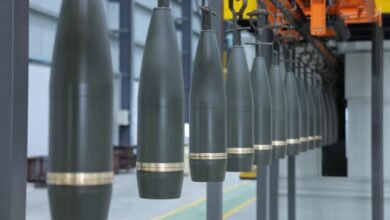

- The United States and Israel launched coordinated military strikes on Iran, with explosions reported in Tehran.
- Multiple blasts were heard near key government and security locations, triggering emergency alerts across Israel amid fears of retaliation.
- President Donald Trump confirmed U.S. participation, calling the operation a move to protect national and allied security interests.
- The escalation follows stalled nuclear negotiations and has raised global concerns about a wider regional conflict in the Middle East.
Tehran February 28 In a dramatic escalation that could reshape the security landscape of the Middle East, the United States and Israel have launched coordinated military strikes against the Iran. Multiple explosions were reported overnight in Tehran, sending shockwaves through the Iranian capital and raising fears of a broader regional conflict.
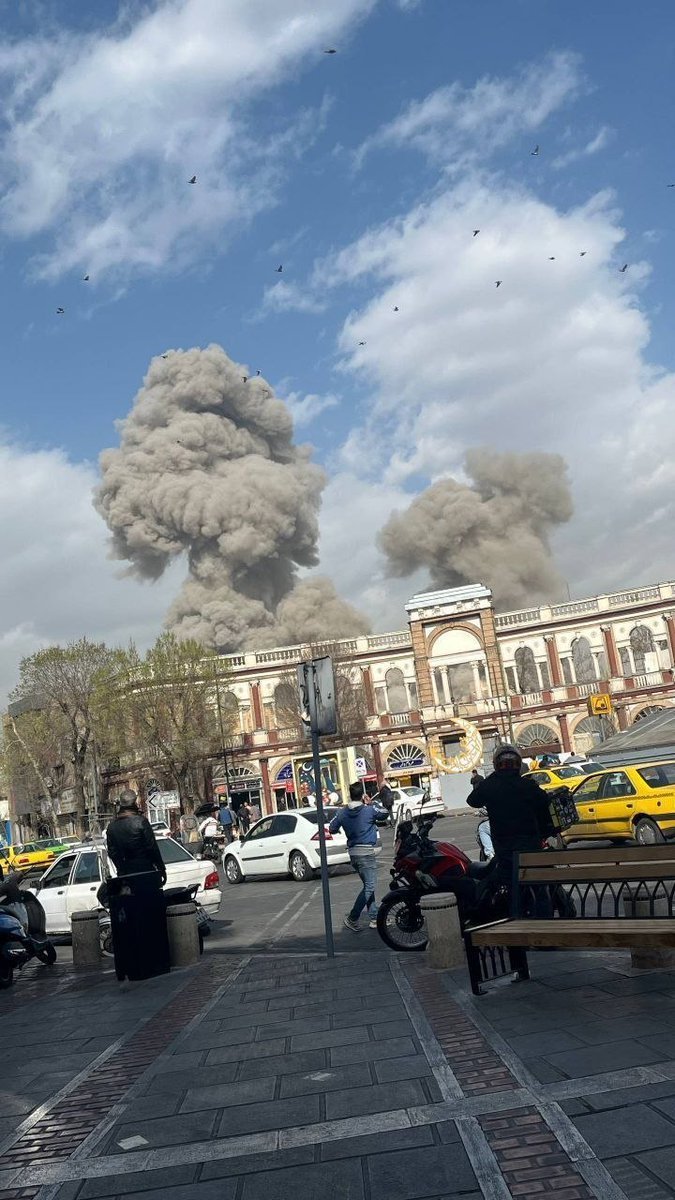
Residents in several neighborhoods described hearing powerful blasts followed by the sound of aircraft overhead. Videos circulating on social media showed smoke rising above parts of the city, though the exact locations of the strikes could not immediately be verified. Iranian state media acknowledged explosions near sensitive government and security facilities but stopped short of providing detailed assessments of damage.
A Coordinated Offensive
Israeli officials confirmed that the operation was a pre-emptive strike aimed at what they described as imminent security threats tied to Iran’s military and nuclear infrastructure. Shortly after, Washington confirmed its involvement, stating that U.S. forces were participating in what President Donald Trump called “major combat operations” in coordination with Israel.
In Tel Aviv, sirens wailed across major cities as authorities placed the country on heightened alert. Civil defense measures were activated, and citizens were advised to remain close to shelters amid concerns of retaliation.
Iranian officials condemned the attack, calling it a violation of sovereignty and warning of consequences. While there was no immediate confirmation of casualties, the government said investigations were underway.
Tensions Long in the Making
The strikes come after months of strained diplomacy over Iran’s nuclear program and regional military posture. Talks aimed at reviving or restructuring nuclear agreements had stalled earlier this month, with both sides accusing each other of escalating rhetoric and military positioning.
Israel has repeatedly argued that Iran’s expanding missile capabilities and nuclear enrichment activities pose an existential threat. Tehran, meanwhile, maintains that its nuclear program is for peaceful purposes and has rejected attempts to tie missile development to nuclear negotiations.
Regional and Global Repercussions
In the hours following the strikes, Iran reportedly restricted parts of its airspace, while Israel temporarily grounded civilian flights. Oil markets reacted nervously in early trading, reflecting concerns about supply disruptions in one of the world’s most critical energy corridors.
World leaders urged restraint, warning that further escalation could ignite a broader confrontation involving multiple regional actors.
What Happens Next
Military analysts say the coming hours will be critical. Iran is widely expected to respond, though the scale and form of any retaliation remain unclear. Possibilities range from direct missile strikes to actions carried out through allied armed groups across the region.
For now, uncertainty hangs over the Middle East. With tensions at their highest point in years, the international community is watching closely to see whether this marks the beginning of a prolonged conflict — or a sharp but contained confrontation.